
NAD supplement fordele for energi og vitalitet
TL;DR:
- NAD+ decline with age reduces cellular energy, metabolism, and vitality, but supplement effectiveness varies. Supplements like NR and NMN reliably raise NAD+ levels and support cellular health, especially in those with depleted reserves. However, their impact on energy and aging is modest, emphasizing the importance of a healthy lifestyle alongside supplementation.
Most people assume that feeling tired as they age is simply unavoidable, but NAD+ decline in cells plays a measurable role in reduced energy, slower metabolism, and diminished vitality. NAD+, the coenzyme that powers mitochondrial energy production and DNA repair, drops significantly from your thirties onwards. Yet the supplement market is flooded with products claiming to restore youthful energy overnight. The reality is more nuanced and considerably more interesting: not all NAD supplement forms are equally effective, and understanding the differences can genuinely change your approach to cellular health.
Table of Contents
- What is NAD+ and why does it matter for energy?
- Types of NAD supplements and how they work
- Evidence-based benefits for energy, cognition and wellbeing
- Safety, side effects and who should exercise caution
- Expert advice: realistic expectations and maximising NAD+ benefits
- The uncomfortable truth about NAD supplements for energy
- Discover science-backed supplements for energy and wellness
- Frequently asked questions
Key Takeaways
| Point | Details |
|---|---|
| NAD+ enables cellular energy | NAD+ is vital for producing energy in every cell and its levels naturally fall with age, affecting how you feel. |
| Best supplement forms | NR and NMN reliably boost NAD+ levels more than other types and are best for oral use. |
| Modest, gradual effects | Most healthy adults experience gradual improvement in energy and wellbeing rather than dramatic changes. |
| Safety and testing matter | Choose third-party tested supplements and avoid in cases of cancer, liver disease, or pregnancy for safe use. |
| Lifestyle is key | NAD supplements work best alongside good sleep, exercise, and balanced nutrition. |
What is NAD+ and why does it matter for energy?
NAD+ stands for nicotinamide adenine dinucleotide. It is a coenzyme found in every single cell of your body, and without it, your mitochondria simply cannot produce ATP, the molecule your body uses as fuel. Think of NAD+ as the shuttle that carries electrons along the energy production chain. When levels are high, cells run efficiently. When they drop, you feel it, in your energy, your mental sharpness, and your recovery after exercise.
The link between NAD+ and energy goes deeper than fatigue alone. NAD+ also activates sirtuins, a family of proteins involved in DNA repair, inflammation control, and metabolic regulation. It fuels PARPs, enzymes that repair damaged DNA. It supports hundreds of enzymatic reactions that keep cells functioning properly.
Here is what makes the age-related decline so significant:
- NAD+ levels can fall by as much as 50% between the ages of 40 and 60
- This decline correlates with decreased mitochondrial function, slower cellular repair, and increased oxidative stress
- Lower NAD+ is associated with reduced insulin sensitivity and metabolic slowdown
- Brain cells, heart muscle cells, and skeletal muscle cells are particularly sensitive to NAD+ depletion
The drop is not just a background event. It coincides with the period in life when most people first notice a tangible shift in energy, stamina, and recovery. Exploring ingredients for cellular energy that work alongside NAD+ pathways, such as resveratrol and magnesium, reinforces why a targeted approach matters. Understanding what NAD+ actually does inside the cell gives you a solid foundation for evaluating which supplements can genuinely help.
Types of NAD supplements and how they work
Here is where many people get confused. You cannot simply swallow a NAD+ molecule and expect it to reach your cells intact. Direct oral NAD+ is broken down in the digestive tract before it can be absorbed meaningfully. This is why most effective products use precursors: compounds your body converts into NAD+ through biochemical pathways.
The three main precursors are:
- Nicotinamide riboside (NR): NR enters cells via dedicated nucleoside transporters and is converted to NMN and then to NAD+ through the salvage pathway. It is well-studied and highly bioavailable.
- Nicotinamide mononucleotide (NMN): NMN is structurally one step closer to NAD+ than NR. Research suggests it may require dephosphorylation to NR in the gut before cellular uptake, though some tissues may absorb it directly. Either way, it reliably raises NAD+ levels.
- Nicotinamide (NAM or niacinamide): NAM is the most basic form and cheapest to produce. It raises NAD+ acutely but can also inhibit sirtuin activity at high doses, which is counterproductive.
The gut microbiome plays a surprisingly important role here. Some conversion of NAD precursors involves microbial activity that transforms precursors via the Preiss-Handler pathway, particularly for nicotinic acid (niacin). A disrupted microbiome can reduce conversion efficiency, which is one reason individual responses to supplements vary.
| Supplement form | Bioavailability | Sustained NAD+ elevation | Sirtuin safety | Best for |
|---|---|---|---|---|
| NR | High | Yes | Safe | Daily oral use |
| NMN | High | Yes | Safe | Daily oral use |
| NAM | Moderate | Acute only | Caution at high doses | Short-term use |
| Direct NAD+ | Low (oral) | Minimal | N/A | IV use only |
Pro Tip: When choosing quality supplements, always look for products that clearly state the form of NAD precursor used, along with the dose per serving. Vague labels such as “NAD complex” without specifying NR or NMN are a warning sign. Check supplement quality certifications to ensure the product has been independently verified for purity and potency.
The practical upshot is clear: NR and NMN are the forms with the most robust evidence for actually raising NAD+ levels in humans, and they are the ones worth spending your money on.
Evidence-based benefits for energy, cognition and wellbeing
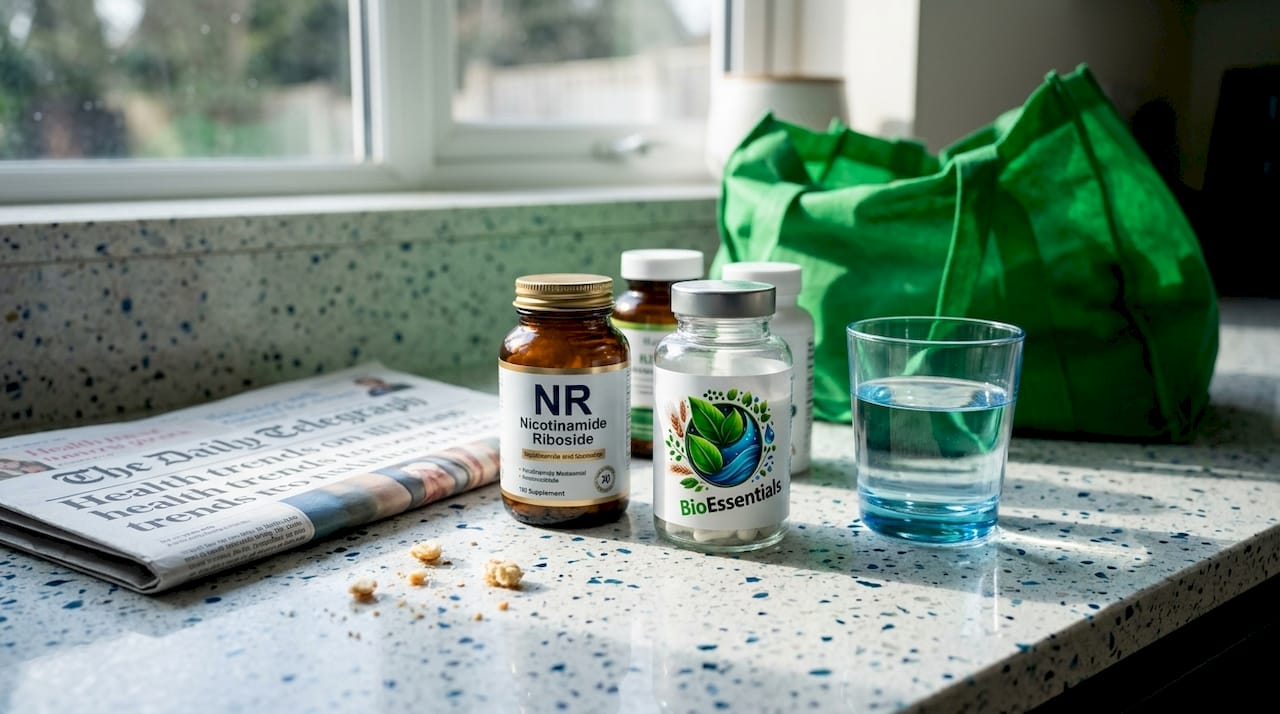
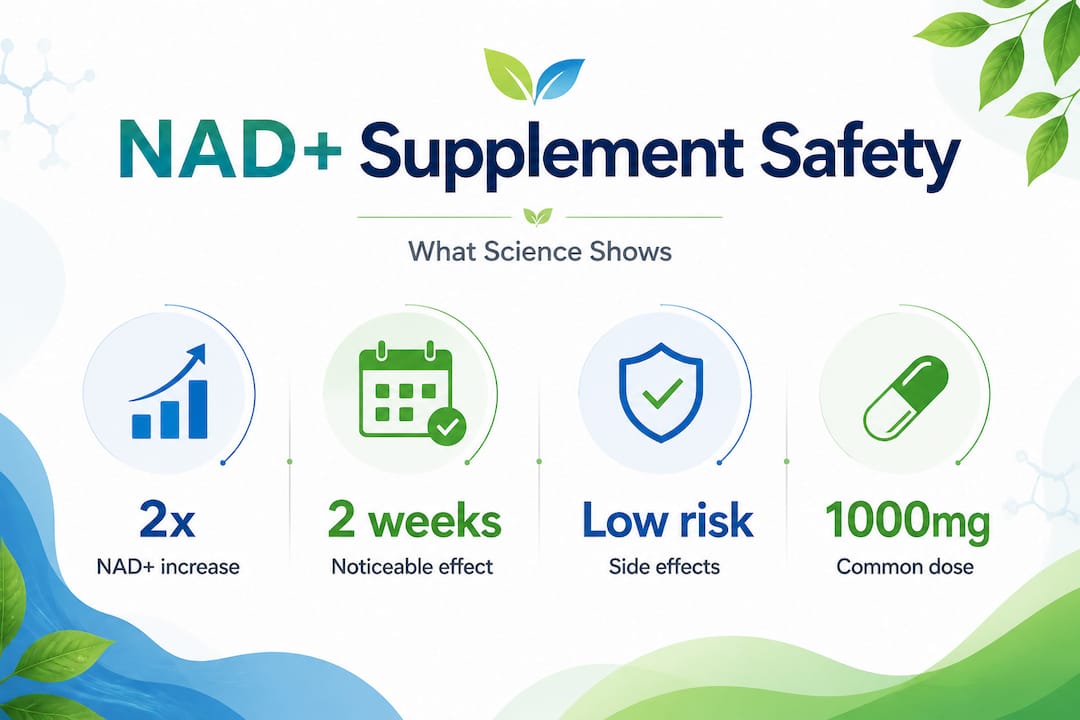
Let us be honest about what the clinical evidence actually shows, because this is where expectations need calibrating. The good news is that NAD precursors do raise NAD+ levels reliably. A direct comparison of NR and NMN in human trials demonstrated that both at 1g per day for just 14 days doubled circulating NAD+ levels compared to placebo. That is a meaningful biochemical change.
What does that translate to in real life? The picture is promising but not dramatic for otherwise healthy adults:
- Fatigue and Long COVID recovery: A trial using NR at 2g per day in 58 participants showed trends towards reduced fatigue and improved sleep quality. Not a treatment, but a measurable direction of improvement.
- Heart function: An intravenous NAD+ protocol (10mg per day for seven days) produced a 3% improvement in left ventricular ejection fraction in heart failure patients compared to placebo.
- Cognitive performance: A pilot study in patients with peripheral artery disease (PAD) found cerebrovascular and cognitive benefits following NR supplementation, suggesting improved blood flow and neural energy metabolism.
“Trends toward improved fatigue, sleep quality, and cognition have been observed in clinical populations using NAD precursors, but large randomised controlled trials confirming broad vitality gains in healthy adults are still needed.” — Based on published NAD+ clinical outcomes data.
What the evidence does not yet confirm is a dramatic, across-the-board vitality boost in healthy adults who already have decent sleep and exercise habits. The studies in healthy populations show NAD+ benefits for energy that tend to be subtle and gradual. This is not a reason to dismiss supplementation. It is a reason to approach it with realistic expectations and a sensible plan.
The clearest takeaway from the clinical literature: NAD precursors unambiguously raise NAD+ levels, and in people with depleted reserves or compromised cellular function, this biochemical restoration can produce tangible improvements in how they feel and function.
Safety, side effects and who should exercise caution
One of the things we appreciate most about NR and NMN is their favourable tolerability profile. The side effects of NAD supplements are generally mild and tend to resolve quickly. The most common issues reported include:
- Mild nausea, particularly when taken on an empty stomach
- Headache, especially in the first few days of use
- Flushing, more commonly associated with plain niacin (vitamin B3) rather than NR or NMN
- Gastrointestinal discomfort, usually transient
Intravenous NAD+ is a different matter. IV protocols carry a significantly worse tolerability profile, including gastrointestinal distress, chest pressure, and a general feeling of unwellness during infusion. For most people seeking energy and vitality support, oral NR or NMN is the appropriate and far more comfortable route.
Long-term safety data remain limited, which is a genuine gap in the research. Short-term use at standard doses is well-tolerated, but we simply do not have ten-year follow-up data. This makes quality sourcing and gradual introduction especially important.
Who should avoid NAD supplements entirely:
- People with active cancer or a history of cancer. Preclinical evidence suggests that elevated NAD+ may support the energy demands of rapidly proliferating tumour cells, including evidence around chemotherapy resistance in pancreatic cancer models. No human data confirms cancer causation in healthy individuals, but caution is warranted.
- Those with liver disease. Supporting liver health and liver support pathways is important before introducing additional metabolic load.
- Pregnant or breastfeeding women, as safety in these populations has not been established.
Pro Tip: If you are new to NAD supplementation and looking for stimulant-free energy support, start with a lower dose and build up gradually over two to four weeks. Always opt for products with third-party testing to confirm what is actually in each capsule.
The bottom line on safety: for most healthy adults, oral NR and NMN at standard doses are a reasonable and well-tolerated addition to a supplement routine, provided you do not fall into the caution categories above.
Expert advice: realistic expectations and maximising NAD+ benefits
Let us talk about getting the most out of NAD supplementation, because the supplement alone is unlikely to transform your energy levels if the foundations are not in place. Researchers consistently note that NR and NMN are preferred over direct NAD+ or NAM for oral supplementation due to their dual gut-systemic action. But they also point out that benefits are most likely modest and gradual in healthy adults, functioning best as a complement to lifestyle rather than a replacement for it.
This perspective echoes what Cleveland Clinic researchers highlight: that while NAD+ decline is age-associated, human tissue data confirming tissue-level depletion is still surprisingly sparse. The clinical outcomes from precursor trials show small to moderate effect sizes. NAD supplementation is not a youth-restoring intervention. It is a cellular support tool.
Here is a practical framework for getting genuine value from NAD supplements:
- Prioritise sleep first. Sleep is when NAD+ is consumed most heavily for DNA repair. Poor sleep creates an ongoing NAD+ deficit that no supplement can fully compensate for.
- Exercise consistently. Resistance and aerobic exercise both stimulate NAD+ synthesis naturally. Supplementation amplifies this effect rather than replacing it.
- Choose NR or NMN, and stick to a clinically relevant dose. Most trial data uses 250mg to 1000mg per day. Lower doses are reasonable for healthy adults; higher doses are typically for clinical populations.
- Be patient. Biochemical changes take time to translate into felt experience. Give a protocol at least eight weeks before evaluating its impact.
- Combine with complementary support. Resveratrol and pterostilbene activate sirtuin pathways that NAD+ feeds. Magnesium supports mitochondrial function. These evidence-based wellness habits compound the effect of NAD supplementation meaningfully.
The people who report the most noticeable improvements from NAD precursors are generally those who already have disrupted cellular energy, whether from ageing, overwork, illness, or poor lifestyle foundations. If you are in good shape and sleep well, the impact will likely be subtler but still real over time.
The uncomfortable truth about NAD supplements for energy
We want to be direct with you here, because the marketing around NAD supplements can be genuinely misleading. The biochemistry is real. The age-related decline is real. The ability of NR and NMN to raise NAD+ levels is well-documented. But the leap from “raised NAD+ in blood tests” to “you will feel dramatically more energetic” is not supported by current evidence for most healthy adults.
Clinical outcomes from even well-designed trials show variable and modest effect sizes. The benefits are real, but they are not transformative on their own. What worries us about the hype is that it sets people up to spend money and feel disappointed, and then dismiss a genuinely useful supplement category entirely.
The truth is that NAD+ decline is one of many factors contributing to age-related energy loss. Mitochondrial dysfunction, hormonal shifts, micronutrient deficiencies, chronic stress, and poor sleep all play equally significant roles. A supplement that targets only one of these factors, even a fundamental one, will always deliver partial results.
Our view at BioEssentials is that evidence-based supplementation habits mean choosing products with rigorous testing, understanding their mechanism, and placing them within a broader health strategy. NAD precursors earn their place in that strategy. They just work best when surrounded by everything else that supports cellular health.
Discover science-backed supplements for energy and wellness
If you are ready to support your cellular energy with properly formulated, tested products, BioEssentials offers exactly the kind of science-grounded range this article has been discussing.
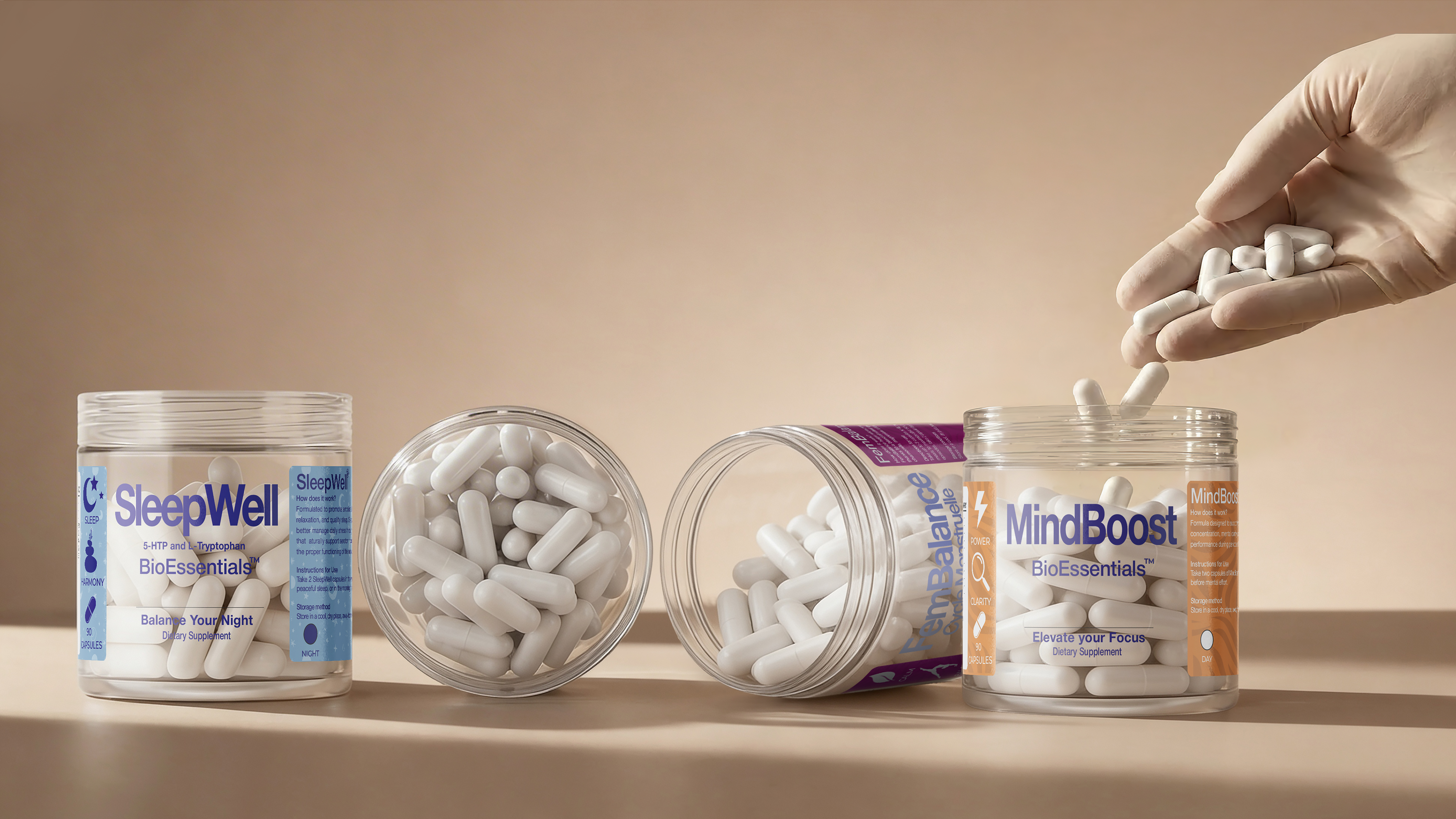
Our approach prioritises highly bioavailable formulations with clinically researched ingredients and independent quality verification. For those looking to support metabolic function alongside NAD+ pathways, PureDetox offers targeted liver and metabolism support that complements cellular energy protocols. If cognition is a priority alongside vitality, MindBoost is formulated specifically for brain energy and focus. Every product is built around purity, efficacy, and transparency, because that is what evidence-based supplementation actually looks like.
Frequently asked questions
How quickly can NAD supplements raise energy levels?
NAD precursors like NR and NMN can double blood NAD+ levels within two weeks at 1g per day, but felt energy changes are typically modest and gradual rather than immediate.
Is it safe to take NAD+ supplements long-term?
Short-term use of oral NR and NMN is generally well-tolerated with mild, transient side effects; long-term safety data are still limited, so choosing certified, independently tested products is essential.
Who should avoid NAD supplements?
People with active cancer, liver disease, or those who are pregnant should avoid NAD supplementation due to preclinical concerns around tumour cell energy support and the absence of safety data in these groups.
Do all NAD supplements work equally well?
No. NR and NMN are significantly more effective for oral use than direct NAD+ or nicotinamide, offering better absorption and sustained cellular NAD+ elevation through dual gut-systemic conversion pathways.
Recommended
- REVITAL: 5 ingredients for cellular energy in 2026 – BioEssentials
- REVITAL: The daily cellular energy formula with real science – BioEssentials
- How to choose a daily energy supplement without stimulants – BioEssentials
- Mindful supplementation: evidence-based habits for wellness – BioEssentials
- What is NMN? Science guide to energy, aging, and cognition – CP-1
- Biostarks | Longevity NAD⁺
Scientific References
- PubMed — NAD+ supplementation in humans (clinical trials)
- NIH ODS — Niacin and NAD+ precursors fact sheet
- Examine.com — Nicotinamide riboside research summary
These statements have not been evaluated by the Food and Drug Administration. BioEssentials products are food supplements and are not intended to diagnose, treat, cure, or prevent any disease. Always consult a healthcare professional before starting any supplement regimen.


