
How to Optimize Nutrient Absorption: Complete Bioavailability Guide
TL;DR:
Table of Contents
- Table of Contents
- Table of Contents
- Key Takeaways
- What bioavailability actually means {#what-bioavailability-means}
- The four factors that determine absorption {#four-factors}
- How ingredient form determines effectiveness {#ingredient-form}
- BioEssentials examples: bioavailability in practice {#bioessentials-examples}
- Daily habits that maximise absorption {#daily-habits}
- Signs your absorption is compromised {#signs}
- How to evaluate a supplement's bioavailability {#how-to-evaluate}
Table of Contents
- Table of Contents
- Key Takeaways
- What bioavailability actually means {#what-bioavailability-means}
- The four factors that determine absorption {#four-factors}
- How ingredient form determines effectiveness {#ingredient-form}
- BioEssentials examples: bioavailability in practice {#bioessentials-examples}
- Daily habits that maximise absorption {#daily-habits}
- Signs your absorption is compromised {#signs}
- How to evaluate a supplement's bioavailability {#how-to-evaluate}
Table of Contents
- Key Takeaways
- What bioavailability actually means {#what-bioavailability-means}
- The four factors that determine absorption {#four-factors}
- How ingredient form determines effectiveness {#ingredient-form}
- BioEssentials examples: bioavailability in practice {#bioessentials-examples}
- Daily habits that maximise absorption {#daily-habits}
- Signs your absorption is compromised {#signs}
- How to evaluate a supplement's bioavailability {#how-to-evaluate}
- Bioavailability — how much of a nutrient your body actually absorbs and uses — varies enormously depending on ingredient form, meal timing, gut health, and formula design.
- The most common reason supplements underdeliver is not the dose on the label, but the form of the ingredient: magnesium oxide absorbs poorly, magnesium bisglycinate absorbs well; folic acid requires conversion, 5-MTHF does not.
- BioEssentials formulas are built around bioavailability-first ingredient selection — every form is chosen for how well it reaches your cells, not how cheaply it can be sourced.
You can eat a nutrient-dense diet and still be deficient. You can take a supplement every day and still not benefit from it. The difference between getting results and spinning your wheels comes down to one concept: bioavailability. Understanding it changes how you evaluate every supplement you consider — and explains why two products with identical doses on the label can produce completely different outcomes in the body.
Key Takeaways
| Point | Details |
|---|---|
| Bioavailability varies by ingredient form | Magnesium oxide: ~4% absorbed. Magnesium bisglycinate: ~80% absorbed. Same dose, completely different outcome |
| Timing affects absorption | Fat-soluble vitamins need dietary fat; magnesium absorbs better in the evening; minerals compete for the same transporters |
| Gut health is the foundation | A compromised microbiome can halve the absorption of key nutrients regardless of supplement quality |
| Active forms bypass conversion problems | 5-MTHF works for everyone; folic acid fails for the 40% with MTHFR variants |
What bioavailability actually means {#what-bioavailability-means}
Bioavailability is the proportion of a nutrient that enters your bloodstream and reaches the tissues where it is needed. It is not the same as the dose on the label.
Three things have to happen before a nutrient becomes useful:
Ingestion— you take the supplement. This is the part everyone gets right.
Digestion and release— the ingredient must be released from its carrier (capsule, tablet, powder) and broken down into an absorbable form in the gut. Poorly designed delivery systems or hard-to-dissolve tablet binders can significantly reduce how much nutrient is released.
Absorption and transport— the nutrient must cross the intestinal wall and enter the bloodstream in a form the body can use at the cellular level.

Most supplements fail at stage two or three, not stage one. This is why the ingredient form matters as much — often more — than the dose.
The four factors that determine absorption {#four-factors}
1. Ingredient form
This is the most important variable. Different chemical forms of the same nutrient have dramatically different absorption rates. The difference between cheap forms and bioavailable forms can be a factor of 10 or more.
| Nutrient | Low-bioavailability form | High-bioavailability form | Absorption difference |
|---|---|---|---|
| Magnesium | Oxide | Bisglycinate, threonate | ~4% vs ~80% |
| Folate | Folic acid | 5-MTHF (methylfolate) | Blocked for MTHFR variants vs. works for all |
| Iron | Ferrous sulphate | Ferrous bisglycinate | High GI side effects vs. gentle and effective |
| Zinc | Oxide | Bisglycinate | ~10% vs ~60% |
| B12 | Cyanocobalamin | Methylcobalamin | Requires conversion vs. ready to use |
2. Gut health
The gut lining is where absorption happens. A compromised microbiome — from antibiotics, chronic stress, poor diet, or processed foods — reduces the integrity of the intestinal wall and impairs the transport of nutrients across it. Beneficial bacteria also produce certain vitamins directly, including B12 and vitamin K2. A depleted microbiome produces less.
Supporting gut health with a probiotic and prebiotic formula like HARMONY directly improves the absorptive capacity of everything else you take. This is one of the most overlooked aspects of supplement strategy.
3. Meal timing and co-factors
Many nutrients require specific conditions to absorb efficiently:
- Fat-soluble vitamins (A, D, E, K)— require dietary fat in the same meal. Taking vitamin D with water alone reduces absorption significantly.
- Iron— absorbs better with vitamin C and worse with calcium, tannins (tea, coffee), and phytates (grains).
- Magnesium— absorbs better in the evening and competes with calcium if taken simultaneously.
- Fat-soluble compounds (CoQ10, R-ALA)— like those in ACUSILENCE, absorb significantly better when taken with a fat-containing meal.
4. Individual variation
Age reduces stomach acid production, impairing mineral release and absorption. MTHFR genetic variants (present in approximately 40% of the population) may help support conversion of folic acid to its active form 5-MTHF. Chronic inflammation reduces transporter efficiency in the gut wall. These factors mean the same supplement can produce very different outcomes in different people — which is why active ingredient forms matter more as you age.
How ingredient form determines effectiveness {#ingredient-form}
The supplement industry's most widely used forms are not chosen for their bioavailability. They are chosen for their cost. Magnesium oxide is cheap and contains a high percentage of elemental magnesium by weight — but studies consistently show absorption rates below 5%. Magnesium bisglycinate costs more to manufacture but delivers 15 to 20 times more magnesium to the bloodstream per dose.
The same principle applies across every mineral and many vitamins:
Magnesium: Oxide and carbonate are low-bioavailability forms sold by most mass-market brands. Bisglycinate, threonate, malate, taurate, and citrate are the forms that actually reach tissues effectively — each with a different absorption pathway and a different physiological benefit.
Folate: Folic acid requires enzymatic conversion to 5-MTHF before it becomes biologically active. For the 40% of adults with MTHFR gene variants, this conversion is significantly impaired, meaning standard folic acid supplementation may provide very little benefit. 5-MTHF bypasses this conversion entirely.
B12: Cyanocobalamin requires conversion to methylcobalamin. Methylcobalamin is the ready-to-use form that the nervous system and red blood cells can utilise directly.
The pattern is consistent: active, bioavailable forms work for everyone. Basic forms work for some people some of the time.
BioEssentials examples: bioavailability in practice {#bioessentials-examples}
Every BioEssentials formula is built around one explicit principle: ingredient form is chosen for how well it reaches your cells, not for how cheaply it can be produced. Here is how that plays out in practice.
MAGNESIUM 5® — five forms, five absorption pathways
Rather than selecting one form of magnesium, MAGNESIUM 5® combines five: threonate, bisglycinate, malate, taurate, and citrate. Each form uses a different absorption route in the gut and reaches different tissues. Threonate crosses the blood-brain barrier (cognitive and sleep support); bisglycinate is the gentlest and most efficiently absorbed (nervous system and muscle); malate supports energy metabolism; taurate benefits cardiovascular and neurological function; citrate provides broad daily deficiency support.
Using five forms means the body has multiple routes to absorb magnesium simultaneously — reducing the bottleneck that occurs when one pathway becomes saturated, and ensuring comprehensive tissue coverage rather than partial supplementation.
SLEEPWELL — 5-MTHF instead of folic acid
SLEEPWELL uses 5-MTHF (the active, ready-to-use form of folate) rather than standard folic acid. This is a deliberate bioavailability decision. The serotonin-to-melatonin pathway that SLEEPWELL supports requires methylation — a process that 5-MTHF drives directly, without any conversion step. For the 40% of users with MTHFR variants, this choice is the difference between a supplement that works and one that does not.
HARMONY — digestive enzymes as an absorption multiplier
HARMONY combines probiotics and prebiotics with digestive enzymes. The enzymes break down proteins, fats, and carbohydrates more completely before absorption, increasing the bioavailability of nutrients from both food and co-administered supplements. This makes HARMONY not just a gut health product — it is an absorption-enhancing foundation for the rest of your supplement routine.
REVITAL — shilajit as a bioavailability amplifier
REVITAL includes shilajit specifically for its fulvic acid content. Fulvic acid enhances the cellular uptake of co-administered compounds, improving the absorption of NAD+, resveratrol, and magnesium within the same formula. This is why the combination in REVITAL produces greater cellular energy outcomes than taking each ingredient separately — shilajit acts as a natural bioavailability carrier.
Daily habits that maximise absorption {#daily-habits}
Beyond supplement form, simple daily habits have a measurable impact on how well nutrients are absorbed:
- Take fat-soluble supplements with your largest meal— ACUSILENCE (CoQ10, R-ALA), vitamin D, and omega-3s all absorb significantly better with dietary fat.
- Separate calcium and magnesium— they compete for the same intestinal transporters. Space them at least two hours apart.
- Avoid tea and coffee around iron supplements— tannins inhibit non-haem iron absorption. Take iron with vitamin C instead.
- Take magnesium in the evening— aligns with the body's circadian absorption patterns and supports sleep quality simultaneously.
- Support your gut consistently— a daily probiotic and enzyme formula like HARMONY creates the absorptive environment that makes every other supplement more effective.
- Stay hydrated— water is essential for dissolving and transporting water-soluble vitamins and minerals through the gut wall.
Signs your absorption is compromised {#signs}
These symptoms are commonly linked to poor nutrient absorption rather than low dietary intake:
- Persistent fatigue despite adequate sleep and nutrition
- Muscle cramps, twitching, or tension (often magnesium)
- Brain fog or difficulty concentrating (often B12 or folate)
- Brittle nails or slow wound healing (often zinc or vitamin C)
- Digestive discomfort, bloating, or irregular bowel function (gut permeability)
- Low mood or sleep disruption (often B vitamins, magnesium, or folate conversion issues)
A yearly blood panel covering vitamin D, B12, ferritin, magnesium, and zinc gives a reliable picture of whether your absorption is working as it should.
How to evaluate a supplement's bioavailability {#how-to-evaluate}
Before buying any supplement, these are the questions worth asking:
What form is the active ingredient? If a magnesium supplement just says "magnesium" without specifying the form, it is almost certainly oxide — the least bioavailable option. The same applies to folate (look for 5-MTHF, not folic acid), B12 (methylcobalamin, not cyanocobalamin), and zinc (bisglycinate, not oxide).
Is there a proprietary blend? Blends that list ingredients without disclosing individual doses make it impossible to assess whether the bioavailable form is present at a meaningful dose or just a token amount.
Is it third-party tested? Independent laboratory testing (such as Eurofins) verifies that what is on the label is actually in the capsule at the stated dose and form.
Does the formula include absorption cofactors? The best formulas include ingredients that enhance each other's absorption — like shilajit in REVITAL, or digestive enzymes in HARMONY — rather than just listing actives in isolation.
Not all supplements are created equal.
Products designed with advanced absorption technologies—such as chelated minerals or liposomal delivery—are significantly more effective than standard formulations.
Instead of taking multiple generic supplements, choosing targeted formulations improves both safety and effectiveness.
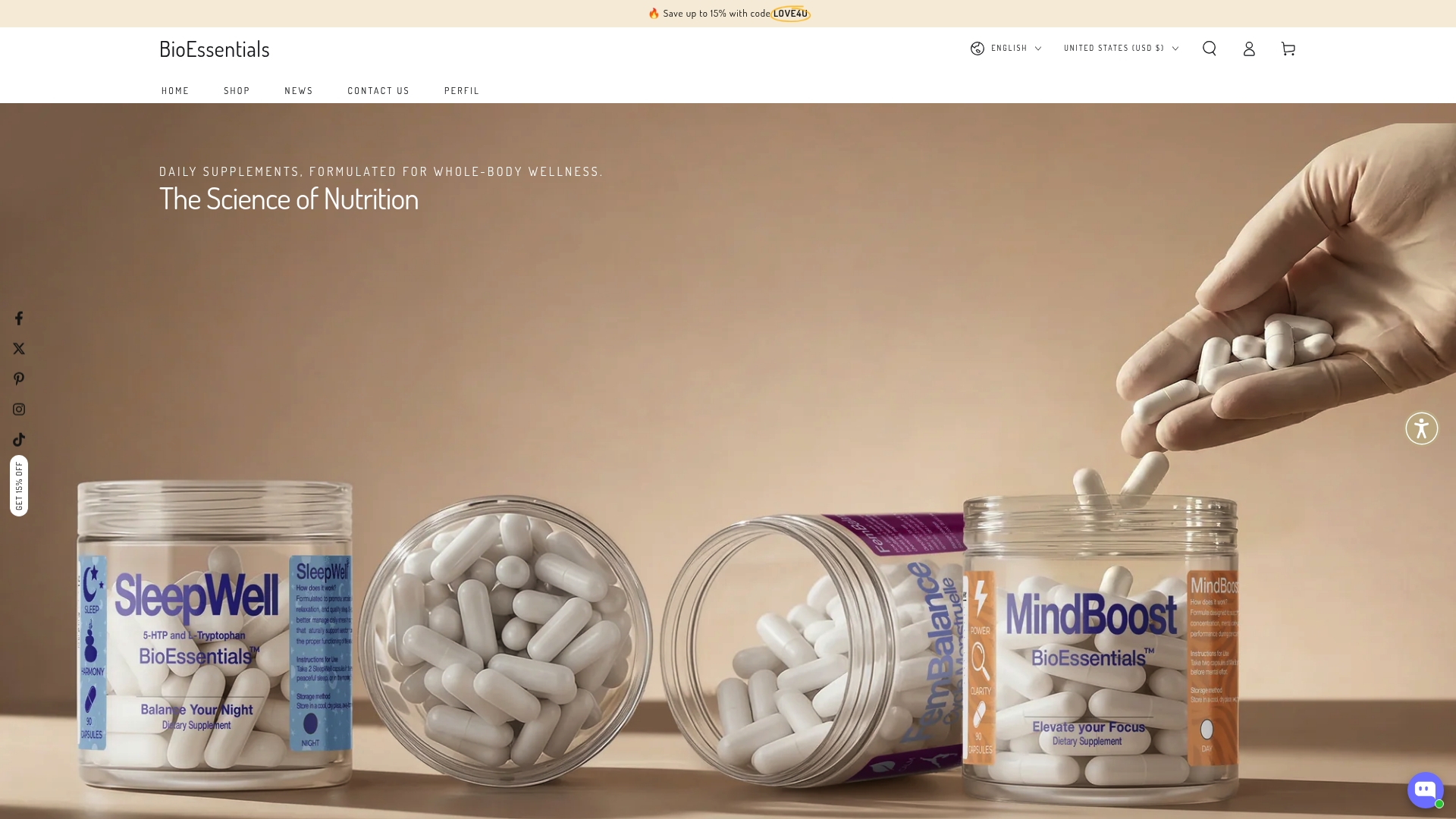
Explore science-based supplements designed for optimal absorption →https://www.bioessentials.cc/
Frequently asked questions {#faq}
Why do I feel nothing from a supplement I take every day?
The most common reasons are low-bioavailability ingredient form, taking fat-soluble supplements without food, or underlying gut health issues that reduce intestinal absorption. Check the form of each ingredient on the label and compare it against the high-bioavailability alternatives listed in this guide.
Is a higher dose always better?
Not with poorly absorbed forms. A 500mg dose of magnesium oxide delivers less usable magnesium than 200mg of magnesium bisglycinate. Dose and form must be evaluated together.
Does gut health really affect supplement absorption?
Yes — significantly. The intestinal wall is the gateway for all nutrient absorption. Chronic gut inflammation, dysbiosis, or low stomach acid can halve the effective absorption of key minerals regardless of the quality of the supplement. Supporting gut health with HARMONY is one of the most effective ways to improve outcomes from your entire supplement routine.
How does BioEssentials ensure its ingredients are bioavailable?
Every BioEssentials formula uses active, bioavailable ingredient forms as the starting point — not as a premium option. Magnesium in five forms, 5-MTHF instead of folic acid, methylcobalamin instead of cyanocobalamin, standardised botanical extracts at meaningful concentrations. Every batch is independently tested by Eurofins to verify potency and form.

Four science-backed strategies to maximize nutrient bioavailability: food pairing, timing, form selection, and gut health.
Frequently Asked Questions
Why do identical supplement doses produce different results?
Bioavailability—the amount your body actually absorbs—varies dramatically by ingredient form, meal timing, and gut health, not just the labeled dose.
What's the difference between magnesium oxide and magnesium bisglycinate?
Magnesium oxide absorbs at only ~4% while magnesium bisglycinate absorbs at ~80%, making the form far more important than the dose itself.
Does gut health affect nutrient absorption?
Yes—a compromised microbiome can cut nutrient absorption in half regardless of supplement quality, making it a foundational factor.
Who needs active folate forms like 5-MTHF?
About 40% of people have MTHFR variants that may help support folic acid conversion, making active 5-MTHF forms universally effective.
Recommended
- How to choose a myo-inositol supplement: 5 criteria — BioEssentials
- How to stack magnesium: 5 BioEssentials formulas explained — BioEssentials
- How to choose an immunity mushroom supplement: 5 criteria — BioEssentials
- How to choose a blood sugar support supplement: 5 criteria — BioEssentials
- How to choose a beauty supplement from within: 5 criteria — BioEssentials
Our research and formulas have been recognized by leading media outlets such as Marie Claire.
Scientific References
- Clinical evidence on Magnesium efficacy and safety (PubMed)
- Mechanisms of action and bioavailability of Magnesium (PMC)
- Evidence-based review: Magnesium supplementation outcomes (PubMed)
These statements have not been evaluated by the Food and Drug Administration. BioEssentials products are food supplements intended to support general wellness and daily nutritional needs. They are not intended to diagnose, treat, cure, or prevent any disease. Always consult a healthcare professional before starting any new supplement if you are pregnant, breastfeeding, taking medication, or managing a health condition.


